Forest Care & Management
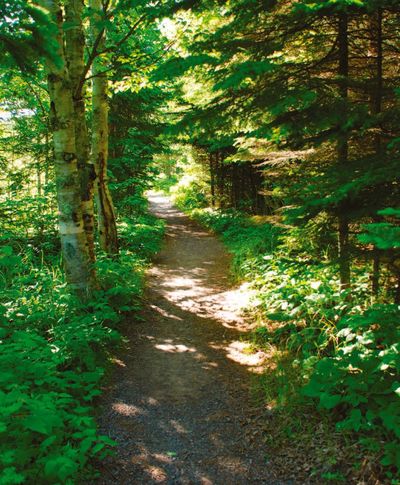
Forest Care
Forest management can mean a lot of different things based on what the landowner is intending the land for. Landowners can manage their forests for timber harvests, wildlife habitat/viewing, recreation, water quality, and more. Forest managers help landowners obtain their management goals through practices such as selection harvesting, regeneration, thinning, shelterwood harvesting, etc.
Management Plans
Forest Management Plans outline the landowner's goals of the forest through creating measurable actions and concise results while assessing resources and management feasibility. Management plans fall within practice, basic, and comprehensive plans. Practice plans are created to implement one practice. Basic plans are general outlines of management practices. Comprehensive plans are more complete plans that implement sustainable forestry and other activities that protect specific resources. Management plans are specific to each forested property.
Cost Sharing
Cost-share programs are developed by various agencies to incentivize forest management practices for landowners. Cost-share programs are not guaranteed and typically do not cover all of the management expenses; however, they can greatly reduce expenses associated with management.
Examples include:
- Wisconsin Forest Landowner Grant Program (WDNR)
- Environmental Quality Incentives Program (NRCS)
- Conservation Stewardship Program (USDA)
Youthful Forests
Young forests are seedling and sapling trees managed through forestry practices to create new growth within forests for a variety of benefits. Young forests provide habitat and cover for young and imperiled species, increase browsing bedding for deer, create wildlife viewing corridors, improve recreational access, and more. Wildlife, forest plants, insects, and humans can all benefit from young forests.
Wisconsin Forests
There are many examples of successful forest management in Northern Wisconsin.
YWFP Support
WYFP can help by providing information and resources to landowners who are interested in young forest management on their properties. WYFP can discuss your property, schedule site visits, develop management recommendations, help landowners apply for financial assistance for forest management, and more.
Fill out this survey to request your free phone consultation from WYFP to discuss what programs and resources may fit your property: www.surveymonkey.com/r/WYFP-survey